Analyzing Your Household Energy Consumption
Transitioning to solar energy begins with a detailed review of your utility usage. By analyzing your electricity bills over the past twelve months, you can establish a reliable baseline for your energy needs. It is also important to consider potential lifestyle changes, such as the addition of an electric vehicle charger or home expansion projects, which will influence future demand. Residents in /locations/woodland-hills, /locations/los-angeles, /locations/concord, and the /locations/bay-area can coordinate with our team to analyze these requirements for their specific properties.
Evaluating Roof Condition and Structural Readiness
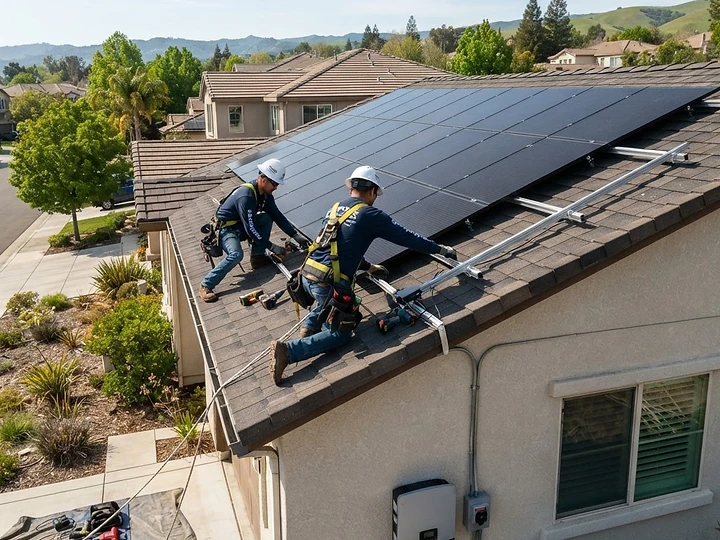
The physical state of your roof is as important as the solar hardware itself. Before proceeding, assess the remaining lifespan of your roofing materials, as solar systems are designed for long-term use. Factors such as roof orientation, available surface area, and potential shading from nearby trees or structures directly impact energy production capacity. You may contact us regarding our /services/roofing services to ensure your roof structure is prepared for the added weight and installation requirements of a solar array.
Understanding System Components and Storage
When evaluating project proposals, focus on the details of the hardware, including panels, inverters, and monitoring software. A complete project scope should include the installation plan and identify any necessary electrical upgrades or structural reinforcements. Battery storage systems can be designed to function in specific configurations. Note that a standard grid-connected system does not automatically provide power during a utility outage. You must determine which household circuits are essential to maintain during power interruptions when designing a backup solution.
Navigating Regulatory and Financial Aspects
Interconnection policies and grid-export compensation vary significantly depending on your local utility provider. Reach out to your utility company to confirm current policies regarding how your specific system will interact with the local grid. Regulations, incentives, and energy projections are subject to change based on usage patterns and environmental factors. It is recommended that you speak with a financial advisor to understand how energy upgrades apply to your individual tax situation, as permits and regional pricing differ across California.
Moving Forward With Your Installation
For assistance with your planning process or to explore other upgrades such as our /services/foundation or /services/insulation solutions, please /#contact our team. We are licensed contractors in California, License #1091557, providing expertise across the state. Project schedules and the availability of specific components can vary based on your location and current market conditions.
Resources and Project Planning
You may view our /gallery to see completed work across California or browse our /blog for more helpful resources. We encourage property owners to approach solar installation as a comprehensive home improvement project. Ensuring that your energy system, roofing, and overall home structure are aligned will help you manage your property effectively over the coming years.
This guide provides general planning information. Your property, selected products, and local requirements determine the final scope.
Back to all guides