Assess the roof system holistically
Choosing a roof involves more than selecting a color or style. The integrity of your home depends on how the roof integrates with the slope, drainage, flashing, and ventilation. Before picking a material, assess the existing structural conditions and define the specific problem you are addressing. A roof is an assembly of components rather than just a surface covering.
D Global Construction provides roofing services for residential properties throughout Southern California, including Woodland Hills and Los Angeles, as well as the Bay Area and Concord. We emphasize a project-specific review to distinguish between localized repair needs and a comprehensive system replacement. Property conditions, local building codes, permit requirements, and material availability vary significantly across these regions.
Evaluate material suitability and performance
Asphalt shingles are common due to their versatility in color and profile. When selecting shingles, prioritize the roof slope, installation specifications, and the complete assembly requirements. Review specific manufacturer documentation and warranty terms rather than assuming performance across all products. Always ensure the installation approach aligns with the manufacturer requirements for your specific site conditions.
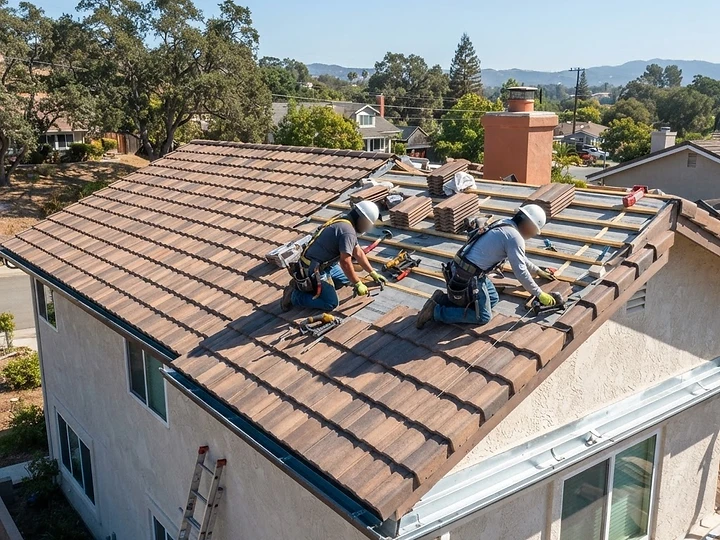
Clay or concrete tiles are frequent choices for traditional California architecture, but they require robust structural support due to their weight. The underlayment and flashing details must be precise to manage water effectively. Never assume an existing roof structure can support a tile system without a professional evaluation. Metal roofing systems offer varying profiles and coatings. Their performance depends on how edges, valleys, and penetrations are sealed. Consult with professionals to ensure the fastening and movement details are appropriate for your building architecture.
Low-slope roofs demand a specialized approach to manage water drainage. These systems often utilize membrane materials that have specific installation protocols. Issues like ponding water should be identified during an assessment, as these conditions require specific detailing to prevent moisture infiltration. Do not assume that a waterproof-labeled product performs adequately without proper drainage design. Permits, pricing, and project schedules vary based on site requirements.
Determine the scope of work
Localized damage does not always necessitate a full replacement, yet repeated repairs may signal broader structural failure. During an assessment, clearly distinguish between isolated issues and systemic problems. Document all leaks, review maintenance logs, and ensure that flashing and drainage elements are inspected. Property protection, debris management, and permit requirements are essential parts of the project planning process.
If you are planning additional home improvements, such as solar installation or insulation upgrades, coordinate these projects carefully. Sequencing work correctly can prevent unnecessary disruptions and streamline the installation process. Reach out to our team via our contact page to discuss the specific needs of your property or visit our gallery to view recent project completions.
This guide provides general planning information. Your property, selected products, and local requirements determine the final scope.
Back to all guides